For too long, societal norms have dictated how women should age, behave, and live.
MavenHeart challenges these stereotypes, empowering you to reclaim your voice and live life on your own terms.
Here, you’ll find the courage to pursue new interests, set bold goals, and embrace life with a renewed sense of joy and self-expression.
We believe in breaking free from the limitations imposed by society and rediscovering the power of your individuality.
MavenHeart is more than a community; it’s a sisterhood. It’s a space where women over 40 come together to share experiences, learn from each other, and grow in unison.
By becoming a MavenHeart, you’re stepping into a movement of women who are rewriting the narrative of life after 40.
It’s a celebration of wisdom, beauty, strength, and the freedom that comes with experience.
WE’RE JUST GETTING STARTED WE’RE JUST GETTING STARTED WE’RE JUST GETTING STARTED WE’RE JUST GETTING STARTED WE’RE JUST GETTING STARTED WE’RE JUST GETTING STARTED
MAVENHEART
WE’RE JUST GETTING STARTED WE’RE JUST GETTING STARTED WE’RE JUST GETTING STARTED WE’RE JUST GETTING STARTED WE’RE JUST GETTING STARTED WE’RE JUST GETTING STARTED
FINALLY, A SPACE JUST FOR YOU...
The home of women 40+ living
energized, joyful & free
MAVENHEART PRIVATE
COACHING
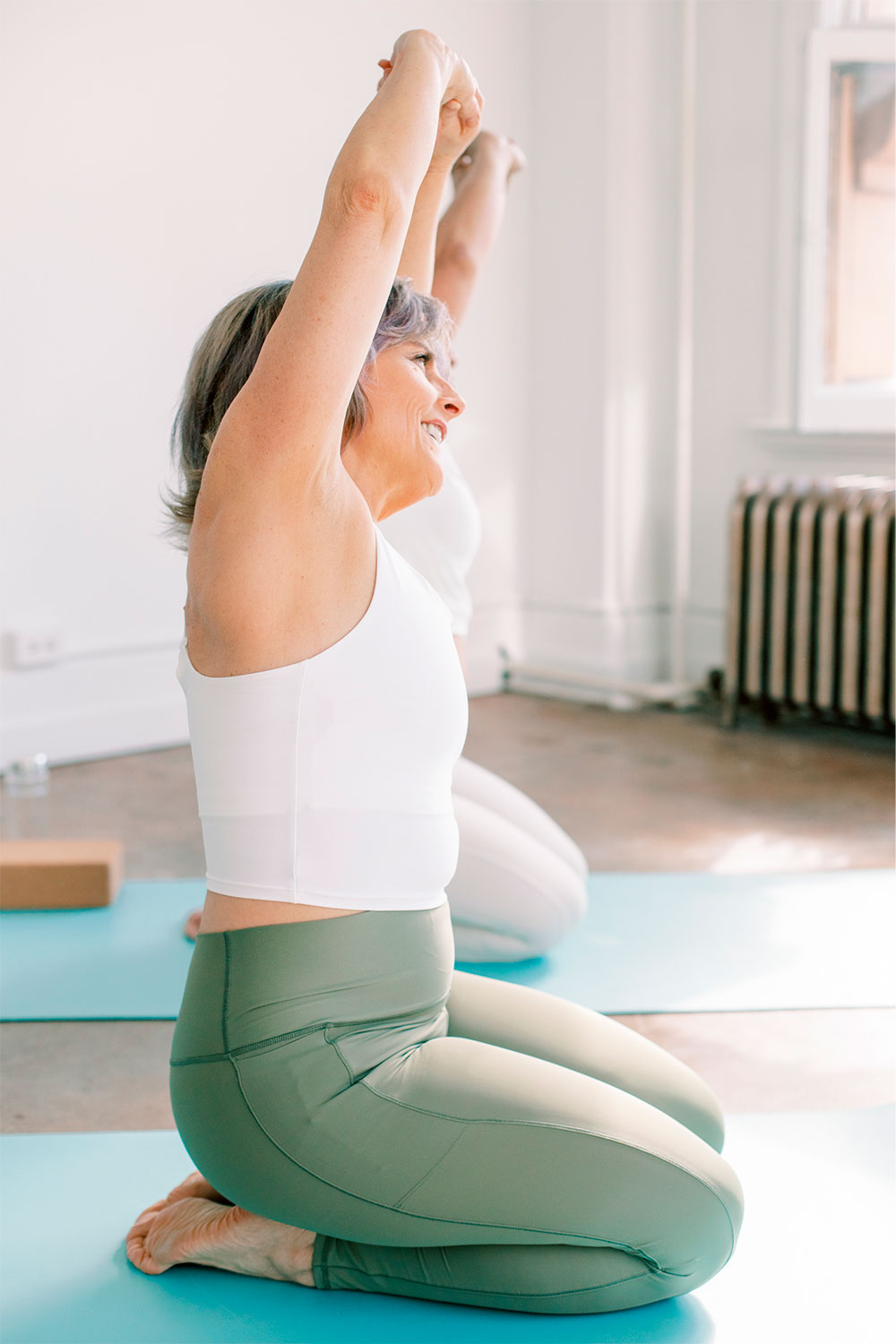
Working exclusively with Nikki T, our private coaching focuses on living your most extraordinary life through weight loss, wellness, mindset and embracing your new identity as a MavenHeart.
The private community designed exclusively for women 40+ with expert shows, coaching and community, and events all focused on you living your most extraordinary life.
Carefully crafted gatherings and experiences designed to enrich, inspire and rejuvenate your spirit as a MavenHeart. Uniquely tailored to dynamic women over the age of 40 years.
For years, Nikki T has been the world’s leading authority on breaking free of diet culture and restrictive “hate yourself skinny” approaches to fitness and weight loss. The guiding light for a generation of women finally achieving freedom in their health, wellness and fitness, Nikki is fast becoming one of the hottest brands on the planet and her MavenHeart movement is an extension of her work in the heath and wellness space for women all around the world. Nikki has a small number of private clients, runs retreats and events, and is the Founder of MavenHeart Society, THE home for women over 40 who are passionate about health, wellness, beauty, fashion, adventure and travel.
Working with Nikki T was life-changing. Losing weight has never been so easy, which I never thought I would ever say! I lost 8lbs in 12 weeks and those pounds are gone forever. What she teaches is incredibly valuable in all aspects of my life. Feeling grounded and confident were my biggest take-aways. I will never research another diet or even use the word again. It’s just so much more than that Nikki T is an amazing coach. I highly recommend putting yourself first and working with her.
Nicole Dobbs, Sr. Creative Director at Paramount
MAVENHEART:
the show
Mavenheart: The Show is the groundbreaking series that brings to life the stories, challenges, and triumphs of extraordinary women over 40.
Inspiration meets reality, showcasing the diverse and dynamic lives of women who are redefining what it means to be vibrant, successful, and fulfilled in the prime of their lives.
I wish I had met Nikki T earlier… I am 52 years old and in the best shape of my life. If I had started working with Nikki T earlier, I could have been in better condition when I was younger. For 30 years, I took all kinds of aerobics classes and never saw the changes that I have seen in the short amount of time I have been training with Nikki T.
Peggy
WANT A SNEAK PEEK?
An Exclusive Experience: The MavenHeart Secret Society
Want to know more about the unique experiences, profound wisdom, and unparalleled support offered by MavenHeart? Nikki T recently hosted an intimate event for women just like you to explain more about MavenHeart. Join us free of charge, and you’ll see inside MavenHeart Society, where you can embark on an extraordinary journey of self-discovery, wellness, and FUN.
MavenHeart: Celebrating the wisdom, beauty, and strength of life after 40. Your new adventure awaits.
Women over 40 have spent their lives PUNISHING themselves through diet and exercise and almost nothing has worked to achieve freedom, energy and strength that also looks and feels amazing. MavenHeart addresses this FOREVER with it’s focus on freedom, finally.
Imagine waking up each day feeling energetic, confident, and empowered. At MavenHeart, we promise a journey that will rejuvenate your spirit and reignite your zest for life. It’s about transforming not just your body, but your mind and soul, aligning them in harmony to achieve a state of complete well-being and joy.
You’ll never “diet” again. And, you’ll look, feel and be the best you, ever. Guaranteed.
MavenHeart acknowledges that turning 40 is a pivotal moment in a woman’s life where her image often undergoes significant transformation. We support this evolution by encouraging women to embrace their evolving beauty and step into a new, powerful, beautiful identity – often for the first time in their lives. MavenHeart empowers women to feel confident and comfortable in their skin, promoting a positive self-image that transcends societal expectations about aging – and we look AMAZING doing it!
Celebrating beauty and fashion for women over 40, our experts showcase the extraordinary opportunity to embrace the fun of being YOU now and forever more as you step into your most beautiful skin ever.
Mavenhearts ‘Live life large’, embracing life with enthusiasm and confidence. We break the stereotype that life slows down after 40. We are pursuing huge personal goals, exploring new hobbies, traveling to remarkable new locations, engaging in true friendships, and living our lives to the fullest.
Our events, retreats and travel is integral to the MavenHeart experience, as it offers opportunities for personal growth, relaxation, adventure, and cultural enrichment. For us, travel is not just about sightseeing; it’s about experiencing life fully, creating memorable moments, and embracing the joy of discovery.